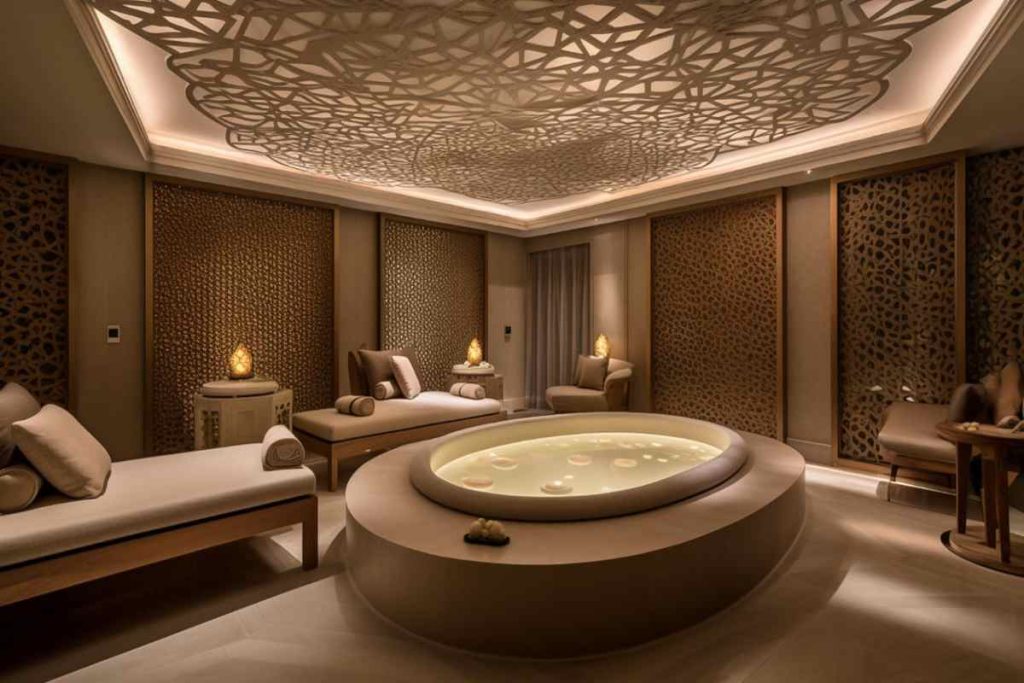
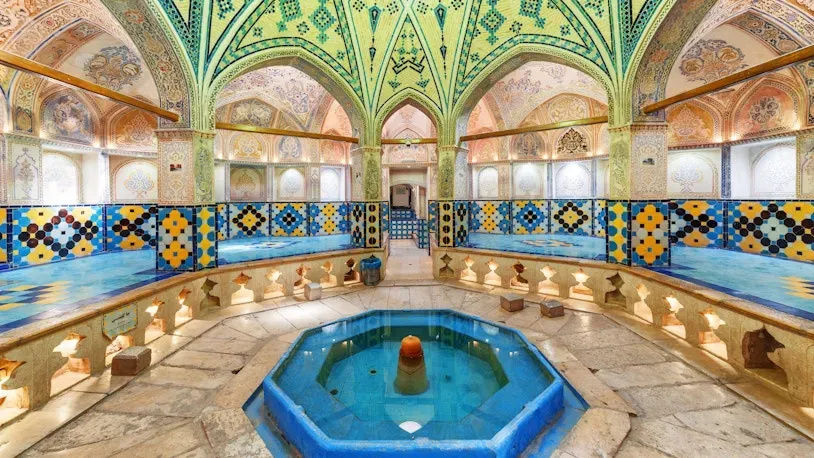
The Turkish bath guide invites you into a centuries-old ritual that blends heat, cleansing, and social relaxation, offering a doorway to calm that anyone can enjoy with a little preparation and an open mind. As you begin, you’ll learn what to expect in a hammam, from the softly heated warm room to the steamy, perfumed chambers where warmth loosens muscles and invites breath to slow. Observing hammam etiquette is essential for comfort and cohesion—dress with a pestemal or swimsuit, keep voices low, respect privacy in shared spaces, and communicate with attendants if you need gentler pressure or a slower pace. The core ritual often combines exfoliation with a kese, a foaming wash, and optional massage, delivering benefits of a hammam such as improved circulation, smoother skin, relief from tension, and a sense of mental renewal. By embracing the rhythm of heat, cleansing, and calm, a traditional Turkish spa visit can become a culturally rich, rejuvenating experience—the Turkish bath experience—one you can repeat as part of a mindful wellness routine.
Another way to frame this topic is with a hammam guide that emphasizes the bathhouse ritual, the sequence of warm rooms, steam, and cleansing that define the Turkish spa journey. Using LSI principles, the discussion touches on etiquette, expectations, and benefits through related concepts such as steam room culture, exfoliation rituals, and traditional Turkish spa practices. This approach helps readers connect the practical steps with the broader cultural and wellness context, making the topic feel accessible to newcomers. By framing the subject through related terms like bathhouse ritual and steam bath tradition, the content aligns with readers’ search intent and supports a richer semantic understanding.
Turkish bath guide: Essential Steps, What to Expect, and Preparation
This Turkish bath guide introduces the ritual as a cultural practice that blends cleansing, heat, and communal relaxation, guided by hammam etiquette and centuries of tradition. From arrival to the final cool-down, you’ll encounter a structured sequence designed to open pores, loosen muscles, and invite mindful stillness in a traditional Turkish spa atmosphere.
To prepare, plan to wear a pestemal or swimsuit as local customs dictate, bring a small towel, water, and a comfortable change of clothes, and pace yourself. Expect to move through spaces in a calm rhythm, and consider what to expect in a hammam; you can signal comfort to attendants if you need a slower pace or gentler pressure. The sequence typically flows from warm room to hot steam, followed by exfoliation with a kese, a soap wash, rinses, and an optional massage before a quiet finish.
Hammam etiquette: Respect and privacy in a traditional Turkish spa
Respecting hammam etiquette makes the experience comfortable for everyone. Modesty in attire, speaking softly, and maintaining personal space are core practices that preserve the calm ritual and ensure privacy in both gender-separated spaces when applicable.
Attendants may perform exfoliation or massages; tipping is a courteous gesture in many places. If you’re unsure about rules, observe others or ask staff discreetly. Avoid photography and bring minimal personal products unless requested by the spa, which helps you participate in the traditional Turkish spa ritual without distraction.
What to expect in a hammam: The core journey and ritual timings
During the core journey, you’ll begin with arrival and changing, move into a warm room to ease into the heat, then progress to the steam and cleansing steps. The kese exfoliation, soap lather, and rinses are the hallmark of the hammam experience, resulting in smoother skin and a sense of renewal.
Temperature, duration, and pressure are tailored to you. A typical cycle unfolds with several stages that promote cleansing and relaxation, and you’ll often finish with a gentle massage and rest. The overall ritual is designed to be slow and mindful, letting you absorb the physical and sensory changes as you unwind.
Benefits of a hammam: Physical, mental, and social wellness
Benefits of a hammam include improved circulation, reduced muscle tension, and a refreshed, hydrated complexion after the steam and exfoliation. The heat promotes blood flow and relaxes tight muscles, supporting recovery from daily activity and exercise.
Mental and social benefits also emerge: the steady rhythm of heat and steam fosters relaxation and mental clarity, while the social dimension—observing, sharing space respectfully, and connecting with staff—adds cultural context that enriches the experience as a traditional Turkish spa ritual.
Turkish bath experience: Sensory rituals, heat, and renewal
The Turkish bath experience unfolds as a sensory journey: the hot embrace of the steam room, the friction of the kese, and the fragrant foam that envelops the skin create a meditative cadence. Many guests describe a gradual release of stress as heat, water, and scent combine to ease tension and invite slower breathing.
Across venues, variations like private rooms, gender-separated times, and package options tailor the experience to your comfort level while preserving the core ritual. Whether you’re seeking a longer spa day or a focused cleansing session, the traditional Turkish spa atmosphere supports renewal, balance, and a deeper cultural appreciation of this ancient practice.
Frequently Asked Questions
Turkish bath guide: what to expect in a hammam and how to follow hammam etiquette?
In a Turkish bath guide, you’ll typically move through a warm room, a hot steam area, and a cleansing stage with a kese exfoliation, followed by rinsing and a possible massage. Hammam etiquette includes modest attire (pestemal or swimsuit), speaking softly, maintaining personal hygiene, and respecting privacy. Expect a paced ritual rather than a rush, with attendants helping you adjust the pressure and temperature to your comfort. By knowing the steps and etiquette in advance, you’ll feel prepared and relaxed.
Turkish bath guide: what are the benefits of a hammam?
A hammam offers physical, mental, and social benefits highlighted in the Turkish bath guide: improved circulation and muscle relaxation from the heat, skin cleansing through exfoliation, stress relief and mental clarity from a calming steam environment, and a sense of cultural connection when engaging with staff and fellow guests. Benefits are best realized with moderate exposure and respectful participation in the ritual. Regular visits can support overall well-being as part of a mindful spa routine.
Turkish bath guide: what should you expect during the Turkish bath experience at a traditional Turkish spa?
The Turkish bath experience in a traditional Turkish spa typically involves multiple spaces and ritualized steps: arrival and changing, gradual heat in a warm room, steam and exfoliation with a kese, rinsing and possible soap massage, and optional massage followed by a cool-down. The ambiance—marble surfaces, soft lighting, and aromatic soaps—enhances relaxation and focus on cleansing and renewal. Understanding this flow helps first-time visitors feel comfortable and engaged.
Turkish bath guide: what to wear and bring to observe hammam etiquette?
Dress usually ranges from pestemal (thin towel) to a swimsuit, depending on local norms, so check the venue’s policy. Bring flip-flops, a small towel, water, and any personal care items you prefer for sensitive skin. Some guests bring their own exfoliating mitts, while others rely on staff-provided tools. Following etiquette—quiet behavior, minimal products in shared spaces, and discreet tipping when service is performed—ensures a respectful experience for everyone.
Turkish bath guide: how do you choose the right hammam for your Turkish bath experience?
When choosing a hammam, evaluate cleanliness and ambiance, professionalism of staff, and the range of services offered (such as foam rubbing or aromatherapy) to match your preferences. Consider price and value, private room options or gender-separated times if privacy matters, and the location’s accessibility. Reading reviews and asking about the use of kese and massage availability can help you select a facility that aligns with your Turkish bath experience goals.
| Aspect | Key Points |
|---|---|
| What to Expect in a Hammam | Structured journey through warm room, steam, exfoliation (kese), rinsing, massage (optional), and cool-down; attire and spaces vary by venue; purpose is cleansing, circulation, and relaxation. |
| Hammam Etiquette | Respect, privacy, modesty, space, hygiene, tipping, photography restrictions, and health considerations to inform approach and comfort. |
| Preparing for Your Visit | What to bring (pestemal, towel, flip-flops), personal care items, hydration, timing (allow 60–90 minutes), and health precautions. |
| Benefits of a Hammam | Physical: improved circulation and muscle relaxation; skin cleansing and exfoliation. Mental: stress relief and clarity. Social: cultural connection. |
| Safety, Comfort, and Variations | Adjust temperature and duration, consider private or gender-separated options, account for skin conditions, and hydrate before/after. |
| Ritual’s Details: Steps | Arrival and attire, warm acclimation, exfoliation with kese and foam, rinsing, optional massage, final rinse and cool-down. |
| Choosing a Hammam | Look for cleanliness and ambiance, professional staff, available services, and value for price. |
| Common Myths Debunked | Myths vs. realities: cleansing-only vs. holistic ritual; exfoliation comfort; heat pacing; etiquette importance. |