Turkish hammam in daily life sits at the heart of how communities cleanse, connect, and rehearse hospitality, weaving daily routines with ritual warmth that locals describe as essential to well-being. This timeless practice is not merely a bath but a cultural rhythm that embodies Turkish bath culture, turning ordinary washing into a social ceremony that unfolds across steam-filled halls, marble benches, and softly spoken conversation, and welcomes new voices into the dialogue. Across neighborhoods and generations, hammam traditions blend cleansing with conversation, music with quiet reflection, and the mundane with moments of ritual, creating a shared space where neighbors greet visitors, exchange news, and practice courtesy that sustains social harmony. In many towns, visitors and locals alike seek authentic Turkish spa rituals, savoring steam, exfoliating massages, fragrant oils, and the subtle interplay of heat, foam, and sociability that makes cleansing feel like celebration. Even for the curious traveler, the Turkish bath experience invites a respectful immersion in bathhouse etiquette in Turkey that keeps shared spaces harmonious, lends depth to conversations, and anchors a broader sense of hospitality, wellness, and community.
Viewed through an LSI lens, these spaces function as public Turkish baths, steam houses, and wellness hubs where heat and humidity foster physical balance and social connection. The concept extends beyond cleansing to include restorative rituals, grooming traditions, and a heritage-rich spa culture found across Anatolia. Locals may call the hamam a community retreat, a steam sanctuary, or a ceremonial cleansing chamber, each label pointing to shared ideas of care and hospitality. This lexical diversity mirrors how search engines group related terms with broader themes—architecture, ambiance, ritual, and social life—so that readers can discover how tradition informs everyday wellness. In practice, visitors encounter warm rooms, exfoliating routines, and conversations that blend relaxation with mutual warmth, illustrating how architecture and routine sustain a unique cultural fabric.
Turkish hammam in daily life: A Social Ritual at the Heart of Community
In Turkey, the hammam transcends mere cleansing to become a daily social ritual that strengthens community bonds. The Turkish bath culture emphasizes warmth, conversation, and shared routines, turning a routine wash into a moment of connection with family, neighbors, and friends. This is not only about cleanliness but about belonging—an everyday practice that reinforces hospitality, generosity, and a sense of well-being tied to communal life.
From the entrance to the final rinse, the hammam weaves social interaction into its rhythm. It is a space where local customs and daily habits intersect with relaxation, from greetings in the lobby to the friendly exchange of news in the washrooms. The Turkish spa rituals embedded in daily life invite visitors to participate in a tradition that has evolved with modern life while preserving its core spirit of care, conversation, and shared experience.
Architectural Rhythm of the Hammam: A Path Through Cool to Warm Rooms
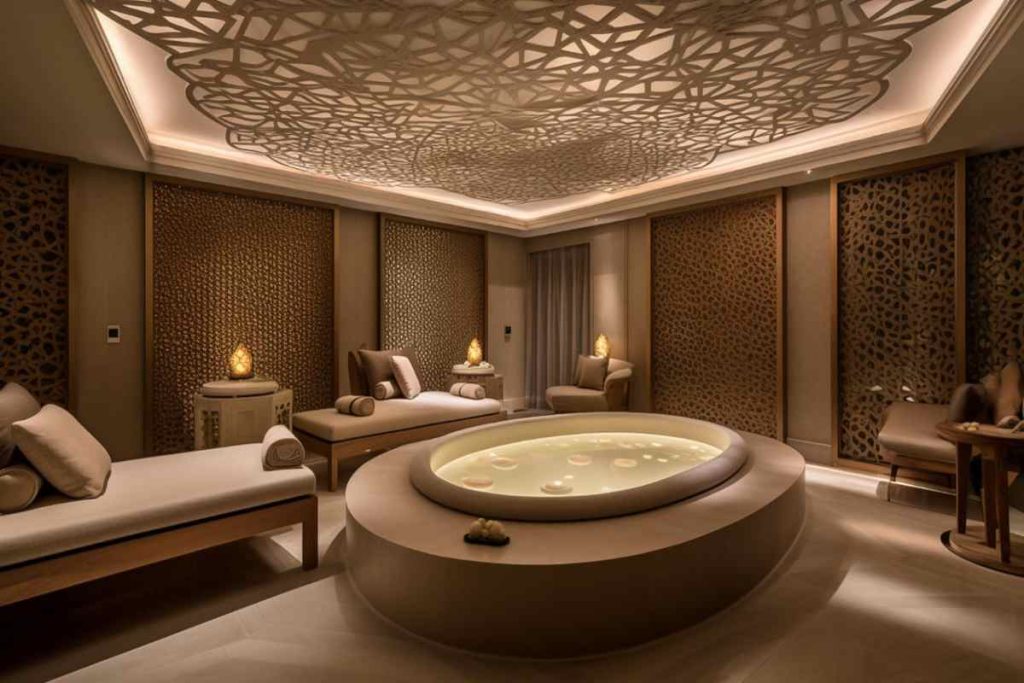
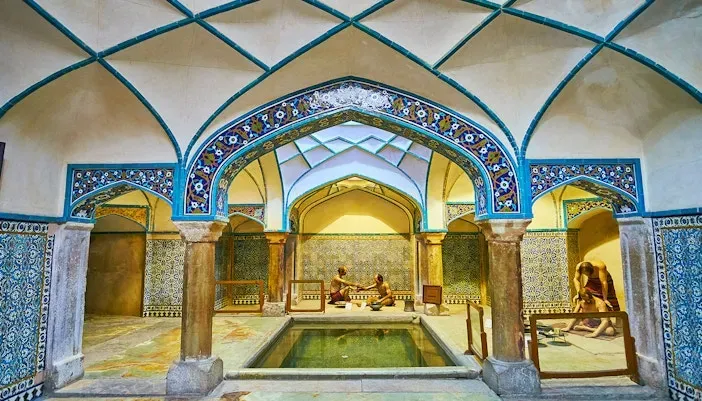
Understanding the hammam begins with its architecture: cool marble surfaces, domed ceilings, and a sequence of increasingly warmer rooms. This design isn’t incidental but a deliberate choreography that prepares the body for purification and social exchange. The cool room provides acclimation, the middle rooms stimulate sweating, and the final spaces invite cleansing and massages, all within a setting that echoes centuries of Turkish bath culture.
The architecture fosters a unique atmosphere where mindfulness and communal life converge. As heat and humidity rise, conversations slow to a comfortable pace, and visitors engage in a ritual that blends personal care with social interaction. This spatial design underpins not only hygiene but also the tradition of collective well-being that has long defined hammam experiences across Turkish society.
Bathhouse Etiquette in Turkey: Respect, Privacy, and Shared Space
Etiquette in Turkish bath spaces centers on courtesy, modesty, and a willingness to participate in a shared ritual. Many hammams maintain gender-segregated hours or sections, reflecting traditional customs while accommodating modern visitors. Observing the local norms—speaking softly, moving slowly in heated rooms, and following staff guidance—helps preserve a respectful atmosphere that supports the social fabric of daily life.
Visitors can ease into the experience by learning a few Turkish phrases, tipping for attentive service, and respecting the privacy of others. Understanding bathhouse etiquette in Turkey also means recognizing the balance between solitary self-care and communal ritual. By approaching the space with patience and humility, travelers contribute to a welcoming environment that honors both history and hospitality.
The Sensory Language of Turkish Spa Rituals: Steam, Foam, and Community
The hammam’s sensory world is a vivid tapestry of steam, heat, and fragrance. Olive oil soap lathers into rich foam, while the hiss of steam and quiet conversations create a drama of ritual that feels intimate yet communal. This sensory language transforms cleansing into a moment of mindfulness, where the body is pampered and the mind slowed, embodying the Turkish spa rituals that link health and social connection.
Exfoliation with a kese, the warmth of the marble, and the rhythmic wash cycle contribute to a holistic Turkish bath experience that goes beyond hygiene. For many, the scent of oils and soap lingers as a reminder of hospitality and well-being, reinforcing how sensory cues can communicate care, trust, and a sense of belonging within the broader Turkish bath culture.
Modern Turkish Bath Culture and Responsible Tourism: Preserving a Living Tradition
Today’s hammams blend tradition with wellness tourism, offering both time-honored procedures and contemporary spa treatments. Locals may use hammams as a regular part of life, while travelers seek immersive cultural experiences that still honor the ritual’s core values. The modern Turkish bath culture thus remains a dynamic, evolving practice that accommodates diverse needs while maintaining its essential sense of heat, ceremony, and social warmth.
As appreciation for authentic experiences grows, responsible tourism becomes essential. Visitors are encouraged to engage respectfully, support local staff, and help preserve historical spaces. This responsible approach enriches the Turkish spa rituals and deepens the overall Turkish bath experience, revealing how daily life, hospitality, and heritage converge to sustain a living tradition for future generations.
Frequently Asked Questions
What defines the Turkish hammam in daily life within the broader Turkish bath culture?
The Turkish hammam in daily life is more than a bath—it’s a social ritual at the heart of Turkish bath culture. Visitors progress through a sequence of spaces—from cool to warmer rooms—before cleansing, turning routine hygiene into a communal ceremony. Exfoliation with a kese, soap, and water often leads to conversation and a shared sense of well-being that anchors everyday life in many communities.
What are common hammam traditions in daily life and how do they shape social etiquette in Turkey?
Hammam traditions emphasize courtesy, modesty, and shared space, a cornerstone of bathhouse etiquette in Turkey. Many hammams follow gender-segregated hours or sections, reflecting cultural norms, while neighbors and families greet each other and participate together. Visitors should observe respectful pacing, keep voices subdued, and participate in the routine with consideration for others.
How do Turkish spa rituals unfold in a hammam visit, and what does this reveal about daily life?
Turkish spa rituals unfold in a deliberate sequence: acclimating in a cool room, moving through progressively warmer spaces, then cleansing with soap and water and often exfoliation. This rhythm mirrors daily life in Turkey, blending physical cleansing with social interaction, mindfulness, and a momentary pause from the day’s pace.
What should a first-time visitor know about bathhouse etiquette in Turkey when experiencing the Turkish bath in daily life?
A first-time visitor should follow practical etiquette: wear a pestemal or appropriate swimwear, listen for staff guidance, and move at a comfortable pace with the heat. Respect others’ privacy in shared areas, keep conversations low, and consider tipping for attentive service to honor local hospitality and daily-life customs.
Why is the Turkish bath experience valuable for travelers seeking cultural immersion in Turkey?
The Turkish bath experience offers authentic cultural immersion beyond tourism, revealing hospitality, community, and daily-life values. The ritual’s heat, steam, and social warmth embody Turkish culture, making a hammam visit a meaningful doorway into understanding Turkish bath culture and daily life.
| Key Point | Description |
|---|---|
| Central idea | The hammam sits at the heart of daily life in Turkey and is a social ritual, not just a bath. |
| History & Architecture | Ottoman era influence, with cool marble, domed ceilings, and progressively warmer rooms that choreograph heat and social interaction. |
| Layout and Process | A typical complex includes reception, public washroom, and private spaces. The ritual moves from cool to warm rooms, with kese exfoliation, rinse, and sometimes massage. |
| Social Dimension | The bathhouse reinforces family and neighbor ties, welcomes guests, and often uses gender-segregated hours; etiquette centers on courtesy, modesty, and shared space. |
| Cultural Significance | Hammams symbolize hospitality and social welfare, a place for grooming, conversation, and passing down local traditions and health practices. |
| Sensory Experience | Steam, heat, olive oil soap scent, foam, and a distinctive soundscape create a ritual that is both soothing and energizing. |
| Visitor Etiquette | Learn a few Turkish phrases, greet staff politely, follow the room pace, and ask for guidance. Don’t rush—it’s a sanctuary for slowing down. |
| Practical Tips for Travelers | Wear a pestemal or appropriate swimwear, decide on kese exfoliation preference, bring modesty, respect privacy, and consider tipping to show appreciation. |
| Modern Role | Many hammams blend traditional procedures with contemporary spa offerings, serving locals and tourists while preserving the core ritual and social warmth. |
| Responsible Tourism | Engage respectfully, support preserved spaces, and honor local customs to sustain the cultural practice for future generations. |
Summary
Turkish hammam in daily life is more than a cleansing ritual; it is a centuries-old social institution shaping how people connect, relax, and care for one another. From architecture and heat to shared spaces and etiquette, the hammam reflects a distinctive approach to wellness and community. Visitors who approach with curiosity and respect gain a doorway into true cultural immersion, discovering how Turkish hospitality and daily routines intertwine in meaningful, enduring ways.