A traditional Turkish hammam experience invites you into a time-honored ritual that blends cleansing with warmth and cultural hospitality. As you step into a marble-walled steam room, the atmosphere and Turkish bath etiquette begin to shape every moment. The journey unfolds through hammam ritual steps that choreograph cleansing, exfoliation, and relaxation, turning a bath into a mindful ceremony. Then the foam massage hammam follows, as soap lathers richly and warmth soothes muscles, inviting a deeper sense of calm that lingers after leaving the heat. A careful rinse, a quiet rest, and perhaps a cup of tea complete the ritual, leaving you refreshed, centered, and more aware of this enduring tradition’s history, ceremonies, and cultural significance.
Beyond the familiar label, the experience is described through related terms such as Turkish bath, hammam, steam bath, and bathhouse ritual, all pointing to the same water-warmed tradition. These Latent Semantic Indexing (LSI)–driven terms reflect the core sequence of cleansing, exfoliation, and relaxation that travelers seek. You’ll also encounter references to kese scrubs, pestemal towel use, and foam massage variations, which highlight culturally specific techniques within the broader practice. Understanding these synonyms and related concepts helps readers plan visits with confidence and appreciate the etiquette, ritual steps, and historical context that accompany this timeless wellness tradition.
Experiencing the traditional Turkish hammam experience: steps, etiquette, and benefits
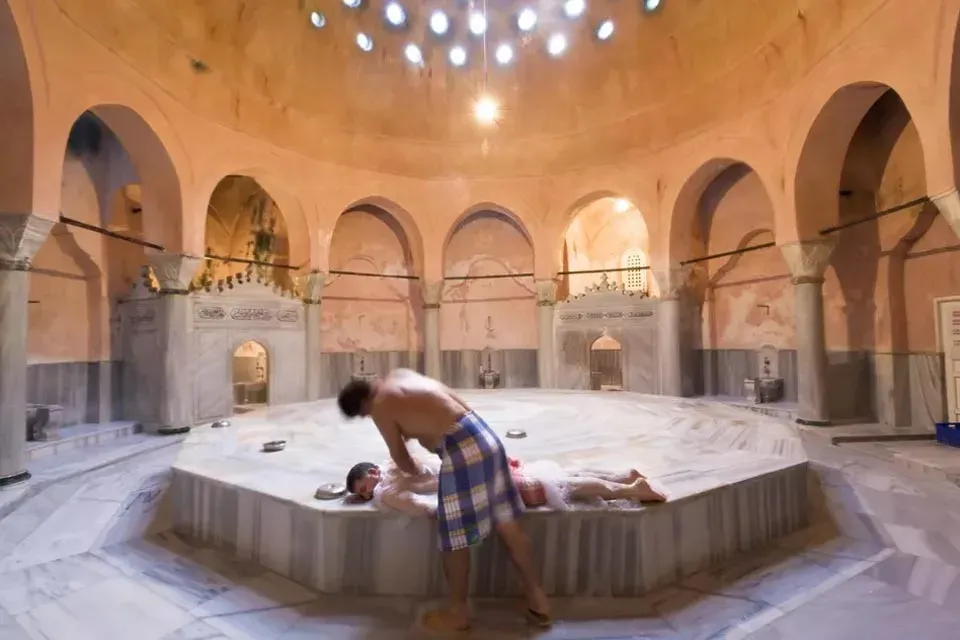
Step into a marble-walled steam room and let the warmth and humidity pave the way for cleansing and reverence. The traditional Turkish hammam experience blends ritual, relaxation, and cultural hospitality, guiding you from a warm welcome through the exfoliating kese and the soothing foam massage to a refreshed finish. This experience is as much about atmosphere and etiquette as it is about cleansing, inviting you to participate with awareness and gratitude for a centuries-old tradition.
It is helpful to understand the broader context of Turkish bath etiquette as you prepare. Respectful silence in the steam room, modest attire such as a pestemal garment, and clear communication with your attendant about pressure and comfort all contribute to a more authentic and comfortable visit. By approaching the space with care for others and a willingness to learn, you join a shared cultural practice that has welcomed travelers for generations.
Mastering hammam ritual steps: from warmth to foam massage hammam
The hammam ritual steps unfold in a deliberate sequence designed to cleanse, exfoliate, and relax. Beginning with warmth and steam to open pores, the next kese exfoliation reveals smoother skin, followed by generous soap and a foaming massage that eases tension and promotes circulation. Understanding this progression helps first-timers participate with confidence and appreciation for the craft.
Attendants—tellaks or natirs—guide you through each stage, adjusting pressure to taste and ensuring privacy. The foam massage hammam often follows exfoliation, cooling slightly as it cleanses and stimulates circulation. The session typically ends with a rinse and a moment to rest, sometimes accompanied by herbal tea, inviting a smooth transition from heat back to everyday comfort.
Pestemal towel use and attire: how to dress for comfort and respect
Pestemal towel use is a practical and symbolic part of the experience. A lightweight pestemal wrapped around the body helps regulate modesty, absorb moisture, and keep skin comfortable in the warm spaces as you move between areas. Selecting the right towel and wrapping it correctly can significantly affect comfort and ease during the ritual.
To make the most of pestemal towel use, bring a clean towel for travel, choose a size that fits you, and learn how to secure it during exfoliation without restricting movement. Proper attire respects the ritual and makes it easier to relax, while avoiding heavy fabrics or jewelry that can interfere with the process or cause discomfort in the steamy environment.
Turkish bath etiquette demystified: etiquette, privacy, and respectful behavior
Turkish bath etiquette centers on respect, modesty, and a quiet atmosphere. Speak softly or keep conversations to a low volume, especially inside steam rooms where others may be trying to unwind. If you’re uncomfortable with a particular aspect of the ritual, communicate politely with your attendant or the front desk, and remember to tip attendants for their service as a customary gesture.
What to wear, how to move, and how to interact with staff all reflect the etiquette of this tradition. Privacy is respected, and guests are guided through each step to ensure comfort and dignity. By following guidelines and listening to on-site advice, you contribute to a positive, culturally mindful experience that honors both local traditions and your personal wellbeing.
Cultural benefits of hammams: heritage, healing, and social connection
The cultural benefits of hammams extend beyond cleansing to social connection, hospitality, and a sense of belonging within a long-standing tradition. Sharing conversation, tea, and quiet reflection in warm spaces reinforces bonds between locals and visitors while supporting relaxation, mindfulness, and a deeper appreciation of Turkish heritage.
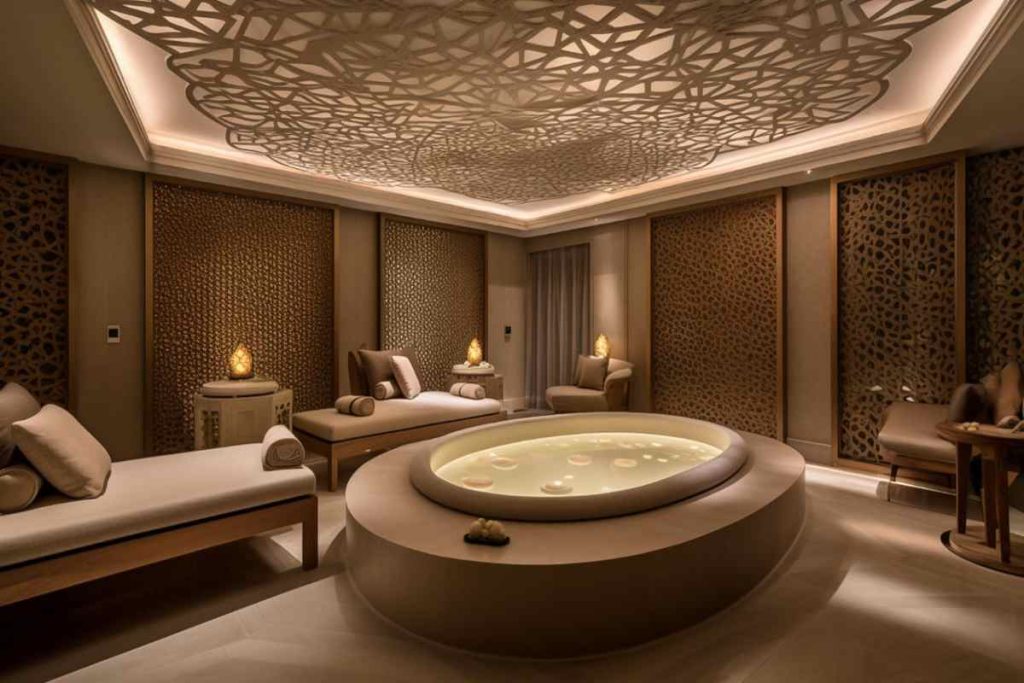
As hammams evolve, modern variations maintain core heritage while offering private suites, aromatherapy, and personalized treatments. Even with these enhancements, the cultural benefits of hammams remain rooted in warmth, ritual, and communal care that travelers can carry with them long after leaving the bath, shaping their understanding of Turkish culture and hospitality.
Frequently Asked Questions
What can you expect in a traditional Turkish hammam experience, including steps, etiquette, and atmosphere?
A traditional Turkish hammam experience unfolds in stages: warmth and steam to open pores, an exfoliating kese, a soap and foam massage, rinsing, and a short rest. The atmosphere is warm, humid, and ceremonial, often with marble surfaces and gentle lighting. Etiquette emphasizes quiet respect, modest attire, and mindful interaction with attendants. For comfort and hygiene, most guests wear a pestemal towel and a hygienic swimsuit option, and attendants tailor pressure and pace to your preferences.
In the traditional Turkish hammam experience, how is Turkish bath etiquette observed before, during, and after the session?
Before: change into a pestemal or suitable swimwear and communicate any medical conditions. During: speak softly, maintain modesty, respect private spaces, and let attendants perform the ritual steps at a comfortable pace. After: tip as appropriate and hydrate; exit the space quietly.
What are the hammam ritual steps in a traditional Turkish hammam experience?
The ritual steps typically follow warmth and steam, exfoliation (kese) with a rough glove, soap and foam massage, rinsing, and optional finishing touches such as a light massage or herbal rinse. Attendants may adjust pressure to your comfort. The steps are designed to cleanse, exfoliate, and relax while preserving privacy.
How is pestemal towel use integrated into the traditional Turkish hammam experience, and what should you wear?
Guests usually wrap a pestemal, a lightweight woven towel, around the body for modesty and comfort. Depending on the hammam, you may also wear a swimsuit; keep jewelry off and avoid heavy makeup. The pestemal is used throughout the session and can be adjusted for modesty during exfoliation; bring a second towel for drying if needed.
What are the cultural benefits of hammams within a traditional Turkish hammam experience?
Beyond cleansing, the hammam fosters hospitality, social connection, and a sense of cultural heritage. The ritual emphasizes respect, calm, and shared space, reflecting Ottoman traditions and modern wellness values. Visitors often leave feeling refreshed, connected to Turkish heritage, and with a deeper appreciation of communal cleansing practices.
| Aspect | Key Points |
|---|---|
| What to expect (overall) | A time-honored ritual blending cleansing, warmth, and hospitality. The experience centers on atmosphere, etiquette, and tradition as much as cleanliness, with marble-walled steam, soft lighting, and a calm, communal environment. |
| Ritual steps (sequence) |
|
| Staff and attendants | Historically tellaks (male) and natirts/natyrs (female). Modern hammams may offer male/female attendants and private rooms; guests can request gender and privacy preferences; staff typically adapt pressure and pace to comfort. |
| Etiquette | Respect, modesty, and a quiet atmosphere. Speak softly in steam rooms; politely communicate discomfort; tipping is customary and based on service and session length. |
| What to wear and bring | Wear a pestemal (lightweight towel) or swimsuit; bring a waterproof bag, sandals, hair ties or cap; avoid jewelry and heavy makeup for comfort and effective exfoliation. |
| Budgeting and tips | Prices vary by location and setting (private vs. group). Expect 60–90 minutes; book in advance for shorter waits; request a brief orientation on arrival; mention skin sensitivities to adjust exfoliation. |
| Health benefits & considerations | Exfoliation improves skin texture; steam promotes relaxation and muscle relief; some guests notice better circulation and cleanliness. Consult a healthcare provider if you have medical conditions or skin sensitivities. |
| Cultural context & modern variations | rooted in Ottoman and Middle Eastern hospitality and ritual; modern hammams may add private suites, aromatherapy, or spa-like add-ons while preserving the core cleansing ritual and communal feel. |
| Practical takeaways |
|