
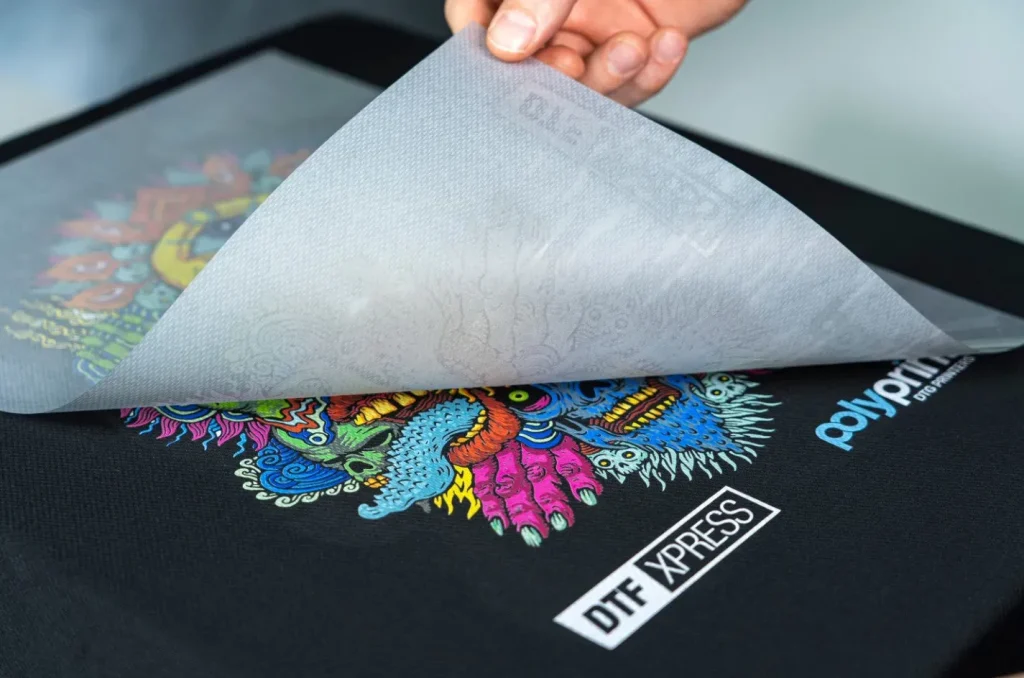
DTF transfers have transformed custom apparel with their versatility, vibrant colors, and broad fabric compatibility. This guide helps makers understand how fabric choice and pre-treatment affect color accuracy and durability, touching on topics like the best fabrics for DTF transfers and how to prepare surfaces for maximum adhesion. Beyond the printer and inks, the surface you print on—your fabrics—defines adhesion, wash resilience, and the overall finish. We cover how to evaluate fabrics suitable for DTF and follow mindful pre-treatment steps to ensure consistent results. Whether you’re making team tees, boutique drops, or one-off concepts, understanding these basics helps you achieve bold, durable transfers.
Beyond the basics, DTF printing on cotton blends offers vibrant color with a softer hand and strong adhesion when paired with a thoughtful workflow. For bright, opaque results on dark fabrics, DTF transfers on dark fabrics require a solid white underbase and targeted pre-treatment to prevent dye migration, ensuring every image pops. Think of fabrics with smooth surfaces and consistent weights as prime candidates for reliable, repeatable results, whether you’re printing on light tees or darker bases. In practice, start with small test swatches to validate color, adhesion, and wash durability before scaling up. As you refine your setup, documenting temps, dwell times, and fabric types helps you reproduce the same look across batches.
Best Fabrics for DTF Transfers: Choosing the Right Base for Vibrant Prints
Selecting the right fabric is the foundation of a successful DTF transfer. The best fabrics for DTF transfers offer a smooth, even surface that accepts both the adhesive powder and the printed film consistently. The classic choice is 100% cotton or cotton-rich blends, especially smooth combed cotton in the 180–220 GSM range, which provides a stable surface that holds color well and prints evenly.
Beyond plain cotton, cotton-poly blends and certain poly blends can also yield excellent results when paired with proper pre-treatment and the right adhesive. Satin and fabrics with a smooth surface can deliver sharp images for special projects, but they require careful testing for adhesion and wash durability. In every case, consider the fabric’s texture and weave as part of evaluating fabrics suitable for DTF.
DTF Pre-Treat Guidelines: Maximizing Color, Adhesion, and Durability
Pre-treat guidelines are central to achieving vivid color and strong adhesion, especially on dark or challenging fabrics. A compatible pre-treatment product designed for DTF transfers helps create a uniform barrier that enhances color vibrancy and reduces dye migration. Always verify the product’s recommendations for your fabric type and ink system before application.
Apply the pre-treatment evenly in light coats and allow it to dry completely before printing. Oversaturation can cause stiffness or halos around the transfer, while under-application can lead to poor adhesion. By following tested guidelines and recording your parameters, you can reproduce consistent results across runs.
DTF Transfers on Dark Fabrics: Achieving Opacity and Brightness with Pre-Treatment
Dark fabrics present a unique challenge, and DTF transfers on dark fabrics rely on a strong white underbase and careful pre-treatment. Pre-treating dark fabrics creates a receptive canvas that improves opacity and color accuracy, helping bright, opaque designs stand out against deep backgrounds.
Color accuracy and dye migration are closely tied to the fabric and pre-treatment choice. Dark cotton or cotton blends typically respond well to standardized pre-treat formulations, while some polyester blends may require adjusted formulations. Always run a test swatch to confirm that whites stay bright and colors remain vivid after washing.
DTF Printing on Cotton Blends: Balancing Color, Hand Feel, and Durability
DTF printing on cotton blends combines the comfort of cotton with the durability of synthetic fibers. Cotton blends often provide a favorable balance of color vibrancy and hand feel, while maintaining compatibility with standard pre-treat and heat-press parameters. This makes them a popular choice among those pursuing durable yet comfortable fabrics suitable for DTF.
When printing on cotton blends, consider the blend ratio and any finishes on the fabric, as these can influence adhesion and sheen. Proper pre-treatment and testing help ensure consistent results, and many users find that cotton blends yield reliable performance without the stiffness sometimes associated with more rigid poly fabrics.
Testing, Troubleshooting, and Care for DTF: Ensuring Long-Lasting Results
A practical testing approach starts with full-size swatches on representative fabrics to gauge color retention, adhesion, and wash durability before committing to production runs. Keeping a log of temperatures, dwell times, pressure, and pre-treatment details helps you reproduce successful results and quickly diagnose issues when they arise.
Common issues—such as edge peeling, color bleeding, or surface stiffness—can often be traced to pre-treatment application, fabric choice, or heat settings. Care and maintenance are also critical: turn garments inside out, wash in cold to warm water, avoid harsh detergents, and air dry or use low heat to maximize the life of DTF designs.
Frequently Asked Questions
What are the best fabrics for DTF transfers, and how do texture and weave affect the result?
For DTF transfers, aim for a smooth, even surface. The most reliable options are 100% cotton and combed cotton blends (roughly 180–220 GSM) because they hold color well and accept the adhesive and film evenly. Cotton-poly blends balance comfort and durability, while polyester or polyester blends can work with proper pre-treatment and a compatible adhesive. Prefer light to mid-weight fabrics (150–180 GSM) and avoid high-pile knits, terry, or textured fabrics that can cause misregistration or uneven adhesion.
What are DTF pre-treat guidelines for achieving bright colors on dark fabrics?
Use a pre-treatment product compatible with your fabric and ink system, and apply a light, even coat to create a barrier that improves white underbase adhesion and color vibrancy. Allow the fabric to dry completely before printing, then test swatches to verify color accuracy and adhesion according to the product recommendations.
How should I apply DTF transfers on dark fabrics to get crisp whites and vivid colors?
Start with a proper pre-treatment, then print with a solid white underbase for dark fabrics. Ensure the transfer sits flat and use even pressure during the heat press. Let the design cool before peeling to avoid color bleed, and perform a test on dark cotton blends to confirm durability.
Is DTF printing on cotton blends a reliable option for durable, vibrant designs?
Yes. DTF printing on cotton blends offers a good balance of color vibrancy, hand feel, and wash durability. Pair cotton blends with compatible pre-treatment and follow the recommended heat and dwell times for your ink system to maximize results.
Which fabrics are most suitable for DTF transfers, and how can I test them before a full run?
Fabrics suitable for DTF include 100% cotton, cotton-rich blends, and cotton-poly blends, with some polyester blends when properly pre-treated. Always start with a small test swatch and wash test to gauge color retention and adhesion. Keep a settings log (temperature, time, pressure, pre-treatment) to ensure repeatable results before committing to a full production run.
| Topic | Key Points |
|---|---|
| Overview | DTF transfers offer versatility, vibrant colors, and the ability to print on a wide range of fabrics, driving popularity. |
| Fabric selection & prep | Fabric choice and its preparation greatly influence the final look and durability of the transfer. |
| Best fabrics for DTF transfers | 100% cotton and cotton-rich blends; cotton-poly blends; polyester and blends; light to mid-weight fabrics (150–180 GSM); satin or smooth surfaces; test on high-pile knits/nap with caution. |
| Fabrics to approach with caution | High-pile or textured knits, terry cloth, and fabrics with a lot of nap or woolly surfaces can cause uneven adhesion and cracking. |
| DTF on dark fabrics | Pre-treating dark fabrics improves white underbase adhesion, color accuracy, and opacity; test different fabrics and follow product guidance. |
| Pre-treat guidelines | Use compatible pre-treatment, test swatches, apply evenly, allow to dry completely, and follow temperature/time guidance. |
| Workflow: pre-treat to final press | Prepare fabric; apply pre-treatment; print and cut; pre-press; apply transfer; heat press; cool and peel; final press. |
| Testing fabrics & troubleshooting | Do full-size tests, track settings, watch edge issues, and check wash response; adjust pre-treatment or fabric as needed. |
| Care & maintenance | Turn garments inside out; use cold/warm water; avoid harsh detergents; air dry or low-heat tumble dry; avoid direct ironing on prints. |
| Common mistakes | Skipping pre-treatment on dark fabrics; over-spraying; using unsuitable fabrics; rushing the cure. |
Summary
DTF transfers offer a flexible, vibrant option for custom apparel across a range of fabrics. By selecting fabrics thoughtfully—favoring cotton, cotton blends, and compatible polyester blends—and following solid pre-treatment guidelines, you can achieve bold colors, clean edges, and durable results. Remember to run test swatches, document settings, and care for your finished pieces to maximize longevity. With careful fabric choice and proper pre-treatment, your DTF projects will look professional and endure wash after wash.