
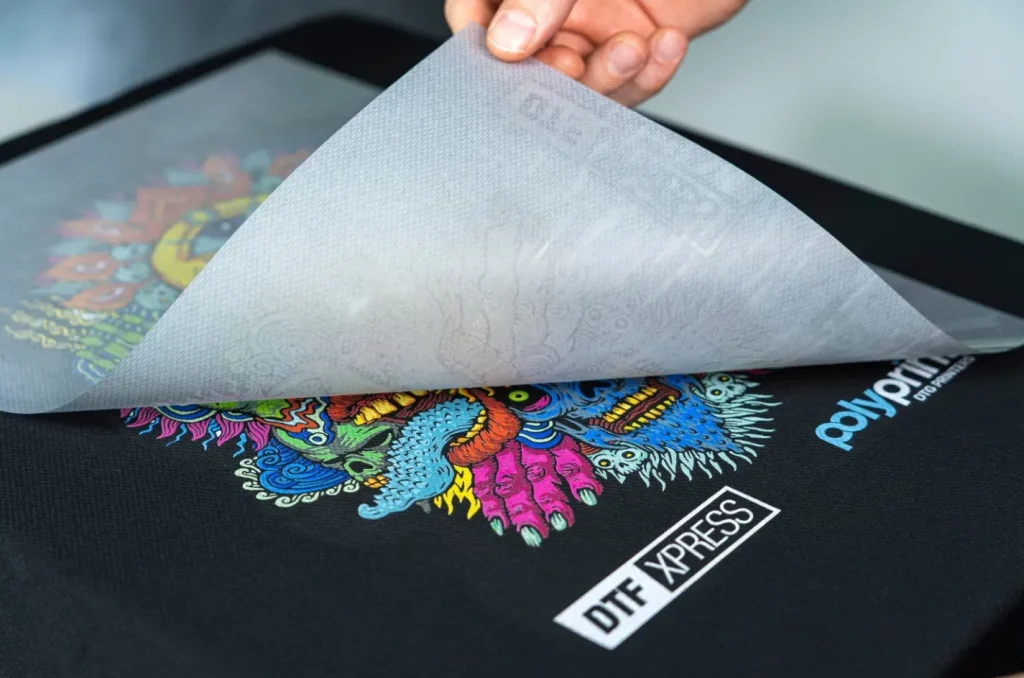
DTF transfers offer brands a versatile, durable option for vibrant prints across a wide range of fabrics. This approach combines strong color fidelity with scalable production, making it appealing for growing product lines. In the DTG vs DTF comparison, designers note how DTF transfers can deliver opacity, color vibrancy, and consistency across dark and light fabrics, supporting the durability of DTF transfers. Understanding the DTF transfer process and how it stacks up against heat transfer vs DTG helps brands evaluate cost, setup, and turnaround. For many brands, this option represents the best printing method for brands when balancing cost, durability, and speed.
Beyond its shorthand name, the film-based transfer approach prints designs on a PET sheet and uses heat and pressure to bond the image to fabric. Alternative terms such as direct-to-film preparation, transfer-on-film, or adhesive-film printing reflect the same technique while appealing to different audiences. LSI-friendly language includes references to durable color, opacity, and versatile fabric compatibility, all of which signal the method’s value for brands. When planning production, readers may also encounter terms like fabric transfer media, powder adhesive systems, and hot-press workflows that describe the same core process in different contexts.
DTF Transfers: A Scalable, Color-Rich Option for Modern Brands
DTF transfers offer strong color vibrancy on both light and dark fabrics, making them a compelling choice for brands aiming to diversify product lines without constantly retooling workflows. The broad fabric compatibility means a single DTF workflow can cover cotton, blends, and some poly blends, which helps reduce complexity in production and inventory management. As you scale, the durability and finish of DTF transfers become meaningful advantages, especially when curing and pressing are optimized for your fabric mix.
In the broader context of the market, this approach aligns with what brands seek when weighing options against DTG and traditional heat transfers. For many teams, the discussion centers on the DTG vs DTF comparison in terms of texture, color fidelity, and batch consistency, with DTF often delivering robust results across diverse runs. When evaluating options, brands also consider the durability of DTF transfers as a key metric for long-term wear and wash performance.
DTF Transfer Process: From Design to Durable Garments
The DTF transfer process begins with design and color management, where artwork is prepared in CMYK with careful attention to color separation for film printing. Printing onto a PET film using DTF-compatible inks creates a high-fidelity base, and white underprints are commonly used for dark fabrics to ensure opacity and color richness. This foundational step sets the stage for a durable transfer that remains vibrant after multiple washes.
After printing, an adhesive powder is applied and cured, which is crucial for forming a strong bond between the ink and fabric during heat-and-press transfer. The subsequent steps—curing, backing removal, and a final press—are designed to maximize adhesion and durability across a variety of fabrics. This DTF transfer process is frequently cited as a practical alternative to DTG and heat transfer in scenarios requiring consistent color and reliable performance on different textiles.
DTG vs DTF Comparison: Texture, Color, and Fabric Compatibility
DTG vs DTF comparison typically highlights texture, color vibrancy, and fabric compatibility. DTG prints directly onto fabric and can yield an exceptionally soft hand on light-colored textiles, while DTF transfers can deliver bold, opaque color on both light and dark garments. The choice often hinges on whether maximum softness or color coverage across diverse fabrics matters most for a given product line.
In terms of durability and production economics, the two methods diverge: DTG may require pretreatment and careful color management for dark fabrics, whereas DTF offers a reliable workflow across a broader fabric mix. For brands weighing heat transfer vs DTG, DTF presents a balanced alternative that combines durable adhesion with versatile application, while still enabling high-quality, multi-color designs. The DTG vs DTF comparison thus informs which method best supports sustained brand quality and customer satisfaction.
Choosing the Best Printing Method for Brands: A Practical Guide
Selecting the right printing method for brands involves evaluating volume, fabric mix, color needs, and budget. The framework weighs DTF transfers against DTG and heat transfer to identify where each method shines. For brands prioritizing color fidelity and a scalable workflow without a heavy upfront investment, DTF transfers frequently emerge as a strong option that aligns with long-term growth goals.
When deciding between heat transfer vs DTG, consider turnarounds, setup complexity, and per-unit costs at your expected production scale. For multi-SKU lines with varied fabrics, DTF transfers can simplify production while delivering consistent results, whereas DTG might be favored for premium soft-hand finishes on specific fabrics and heat transfer can be ideal for quick tests or small batch experiments. This practical framework helps brands map a path from launch to scale while preserving the desired look and feel.
Durability and Washability: What Brands Need to Know about DTF Transfers
Durability is a central concern as products move from launch to repeated wash cycles. DTF transfers typically demonstrate strong wash durability when properly cured and pressed, with good resistance to cracking and fading on a range of fabrics. The durability of DTF transfers depends on fabric type, wash temperature, dryer cycles, and how well the transfer bond was established during the heat press.
Comparing long-term performance to DTG and heat transfer highlights that each method has scenarios where it excels. DTG can deliver excellent colorfastness on cotton-rich fabrics, while heat transfer durability varies with media quality and application technique. For brands seeking reliable, repeated wear without sacrificing image quality, understanding the durability of DTF transfers helps inform ongoing production decisions and quality control.
Frequently Asked Questions
DTG vs DTF comparison: How does the DTF transfer process differ from DTG in color, texture, and fabric compatibility?
DTF transfers print onto a PET film with an adhesive before transferring to fabric, while DTG prints directly on the garment. DTF often yields stronger color on dark fabrics thanks to a white underprint and broad fabric compatibility, but the hand can feel slightly firmer. DTG typically offers a softer hand on light fabrics but can struggle with color consistency on dark garments.
DTF transfer process: What steps ensure the durability of DTF transfers across different fabrics and wash cycles?
Key steps include careful artwork preparation, printing on PET film with suitable inks, applying and curing the adhesive powder, and performing a precise heat press transfer. Durability improves with proper curing, high quality film and powder, and fabric compatibility. Washing conditions and garment type also influence longevity.
Heat transfer vs DTG: In which scenarios do DTF transfers offer the best printing method for brands when color vibrancy and production costs matter?
DTF transfers provide vibrant color on both light and dark fabrics with scalable production, making them a strong best printing method for brands for multi color designs and mixed textiles. Compared with heat transfer, DTF generally offers better wash durability and longevity; compared with DTG, it can be more cost effective for mid volume runs and avoids pretreatment on dark fabrics.
Durability of DTF transfers: How well do DTF transfers hold up on dark fabrics, and how does that compare to DTG and heat transfer?
On dark fabrics, DTF transfers are reinforced by a white underprint and adhesive layer, offering solid wash durability when properly cured. DTG can provide a very soft hand but may require pretreatment and can show variability on dark fabrics; heat transfer durability depends on media and application quality and can crack or peel if not executed well. Overall, DTF strikes a balanced balance of color fidelity and durability across fabrics.
DTG vs DTF comparison: What role does the DTF transfer process play in achieving scalable production for brands?
The DTF transfer process enables scalable production by allowing bulk film printing and a repeatable transfer workflow, reducing reliance on large DTG printers. This supports growth with multiple SKUs and higher volumes while keeping upfront capital lower. Brands can still migrate to DTG or adjust strategies for specific fabrics as volumes and goals evolve.
| Aspect | Key Points | Brand / Implementation Takeaways |
|---|---|---|
| What DTF transfers are and how they compare to DTG and heat transfer | – DTF prints on PET film with special inks and a powder adhesive, then transfers with heat. White underprint helps opacity on dark fabrics; versatile across cotton, blends, and some poly. – DTG prints directly on fabric, offering a very soft hand on light fabrics but can struggle with dark fabrics and batch-to-batch color consistency. – Heat transfer is simple and cost-effective for small runs but can crack or feel stiff if not applied carefully. |
DTF gives strong color vibrancy on diverse fabrics and supports multi-SKU lines. It complements DTG for bold color on dark fabrics and often improves production flexibility; plan for the additional transfer steps and QC. |
| DTF transfer process: steps from file to finished garment | – Design in CMYK with proper color separation. – Print onto a PET film with DTF inks; apply white underprint for dark fabrics. – Apply adhesive powder and cure lightly. – Remove excess powder and cure the transfer material. – Heat press onto garment to embed ink via the adhesive. – Peel backing film after cooling; perform a final press if needed. |
Adopt a disciplined workflow with clear QC at each stage. Use white underprint strategically for opacity on dark fabrics and verify color fidelity and alignment before production runs. |
| DTF transfers: Pros | – Strong color vibrancy on light and dark fabrics due to white underprint. – Broad fabric compatibility; one workflow across product lines. – Cost-efficient for small to medium runs; good turnarounds. – Durable bond when properly cured. |
Suitable for multi-SKU catalogs and mid-volume production; plan for the necessary equipment and QC to maintain consistency across fabrics. |
| DTF transfers: Cons | – Multi-step process increases handling time in high-volume environments. – Hand feel can be firmer than DTG on some fabrics. – Requires dedicated films, adhesives, and powders; needs quality control. |
Allocate time and resources for equipment upkeep and process training; factor in potential hand-feel preferences when selecting fabrics. |
| Durability and washability | – DTF can offer strong wash durability when properly cured and pressed; wash resistance depends on fabric, water temperature, and care. – DTG tends to be durable on cotton-rich fabrics but may require pretreatment and white underbase management. – Heat transfer durability varies by film/media quality and application; premium media perform well, cheaper options may crack or wear. |
Match material selection and care guidelines; communicate recommended washing temperatures to customers to maximize longevity. |
| Cost, production speed, and scalability | – DTF balances upfront investment with per-unit cost; scalable for multi-color designs and multiple SKUs. – DTG can be cost-effective for very large runs but requires a substantial upfront investment in printers and pretreatment. – Heat transfer is inexpensive upfront and suitable for tiny runs, but long-term profitability depends on color fidelity and finish quality. |
Consider volume forecasts and SKU complexity to choose between DTF and DTG; use heat transfer for fast testing or ultra-short runs. |
| Practical decision framework | – Volume and scalability: plan how each method handles growth. – Fabric and color needs: colorful designs on dark fabrics favor DTF or DTG; DTF supports broad fabrics without heavy pretreatment. – Hand feel and wear: DTG is very soft on light fabrics; DTF balances softness with durability; heat transfer can feel stiffer. – Turnaround and workflow: heat transfer offers speed; DTF provides predictable results once set up. – Brand positioning and budget: align with sustainability, durability, and product breadth. |
Run pilot programs across fabrics and SKUs to map outcomes to business goals; document settings and QC checkpoints for scale. |
| Design and prepress guidelines | – Color management: CMYK with proper separations; use proofs. – White underprint: important for DTF on dark fabrics to maximize opacity. – Resolution: 300 dpi or higher for crisp detail. – Garment compatibility: verify fabric blends and weave. – Testing and quality control: run tests on representative garments before full production. |
Establish a repeatable prepress checklist; ensure color accuracy across fabrics and maintain documentation for scaling. |
| Practical tips for brands implementing DTF transfers | – Start with a pilot across a fabric mix to gauge washing performance. – Build a small SKU set to test color, texture, and durability. – Partner with trusted suppliers for films, adhesives, and powders. – Invest in a precision heat press for consistent adhesion. – Document all settings and garment specs for consistency as you scale. |
Use pilots to de-risk expansion; maintain supplier relationships and keep a centralized process log. |
| Common questions and considerations | – Is DTF better for all brands? Not necessarily; depends on product mix, volumes, and customer experience. – Can brands switch between methods as they grow? Yes—many migrate from heat transfer or DTG to DTF as demand and color needs evolve. – How to ensure durability? Proper curing, precise heat, and matching adhesive powder and film quality to fabric are key. |
Use as a flexible option within a broader production strategy; plan migration paths to adapt to changing product requirements. |
Summary
DTF transfers sit at a compelling intersection of color fidelity, fabric versatility, and scalable economics. While DTG and heat transfer each have their own strengths, DTF transfers offer a balanced option that suits many modern brands seeking reliable performance on a range of fabrics without the high upfront investment of DTG or the potential wear issues from cheaper heat transfers. By understanding the DTF transfer process, weighing the pros and cons in the context of brand goals, and following best-practice prepress guidelines, you can choose the method that best supports your brand’s growth, product lineup, and customer satisfaction. Remember: the right choice is the one that consistently delivers the right look, feel, and durability for your audience across the most important touchpoints of your product line.