
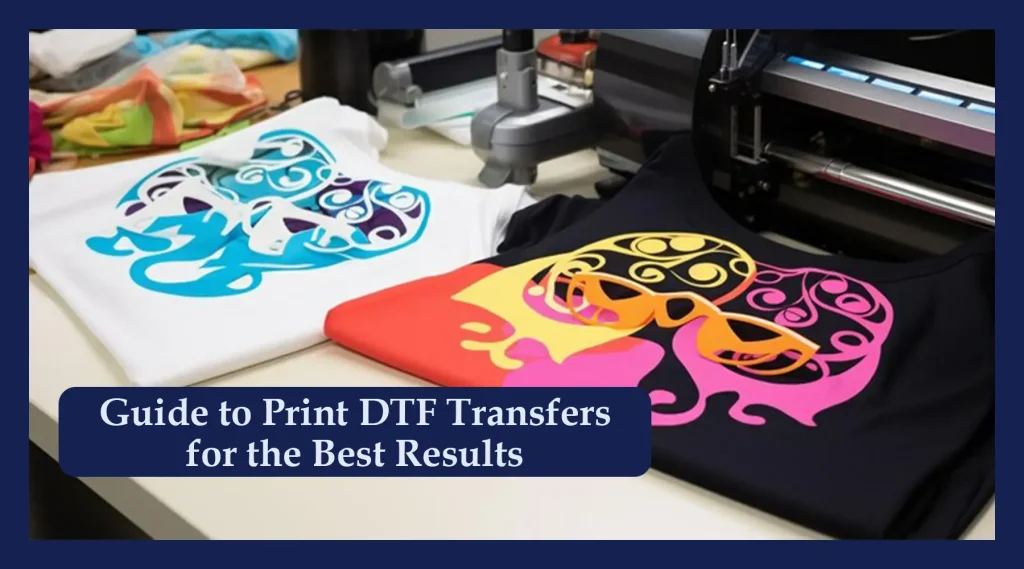
DTF transfers have emerged as a game-changing method for bringing bold, durable graphics to apparel. This approach, often described through terms like the DTF printing process and direct-to-film transfers, blends ease of use with strong results. Whether you’re printing a single prototype tee or running a small batch, understanding the workflow—from design to finished garment—helps you achieve consistent outcomes with DTF transfers. The technique offers a durable garment print across a wide range of fabrics while maintaining a soft hand feel and reliable color fidelity. Understanding DTF vs DTG can help you pick the right method for your fabrics, reducing setup time while preserving color density, and when paired with a heat press for DTF, yields consistent results.
In practical terms, this film-based garment decoration uses a transfer film, a possible white ink base, and a fine adhesive powder to bond color to textiles. The result is a vibrant, wrinkle-resistant finish that works across cotton, blends, and synthetics, with a print that remains soft to the touch. From an LSI perspective, you can describe it as film-to-fabric transfers, transfer film technology, or print-on-film methods to communicate the same capability without repeating a single keyword. Compared with traditional screen printing, this approach often requires less setup for short runs while preserving texture and color density across fabrics.
Understanding the DTF Printing Process: From Design to Film
DTF printing process begins with careful design preparation. Designers should use vector art for crisp edges and high-resolution raster elements for smooth color gradients. Consistent color management is essential; convert artwork to CMYK or use appropriate ICC profiles and decide how white areas will be represented—either built into the design or via a separate white ink layer when required. Because direct-to-film transfers rely on color-accurate reproduction, run test prints on the transfer film to verify density, edge sharpness, and overall color fidelity before committing to a full batch.
Printing on the DTF film uses the chosen inks and a RIP to translate the artwork into precise ink deposits, including any white underbase. After printing, a fine adhesive powder is sprinkled evenly and cured to form a bondable layer. Once cured, the transfer is trimmed and prepared for the heat press, where controlled heat, time, and pressure drive the adhesion to fabric and deliver a durable garment print.
Direct-to-Film Transfers: From Film to Fabric and Powder Bond
DTF transfers depend on printing the artwork onto a transfer film with water-based or pigment inks. A white ink base is often printed first to ensure bright colors on dark fabrics. A RIP-driven workflow translates the artwork into precise ink deposits, preserving gradients, edges, and color density for direct-to-film transfers.
After the ink dries and the powder cures, the film is trimmed and readied for transfer. When heat is applied with the correct settings, the bond forms through the film’s adhesive layer and the cured powder, producing a durable garment print across a broad fabric range.
DTF vs DTG: Choosing the Right Garment Decoration for Your Fabrics
DTF vs DTG: choosing between technologies requires weighing substrate compatibility, color reproduction, and hand feel. DTF transfers tend to work well on cotton, blends, polyesters, and some synthetics, providing bold colors and sharp edges, while DTG can deliver ultra-soft hand feel on 100% cotton with photorealistic gradients.
Durability and washfastness are also key considerations. With proper application, both can be long-lasting, but DTF’s adhesive layer and powder-based bond often offer robust adhesion across various fabrics, which makes it a flexible option for small runs and diverse product lines.
Optimizing the Heat Press for DTF: Settings, Timing, and Quality Control
Optimizing the heat press for DTF requires consistent control of temperature, time, and pressure. General guidelines suggest 160–170°C (320–338°F) for 8–12 seconds on common cotton and cotton blends, with medium to firm pressure and a decision on cold or warm peel based on the film and adhesive. The heat press for DTF should be chosen for even heat distribution and reliable transfer quality.
Pre-press the garment to remove moisture and ensure flat transfer placement. Use a silicone sheet or teflon cover to protect the print and help distribute heat evenly. Calibrate for your fabric type and film system, then run test presses to verify color density, edge fidelity, and final adhesion before starting production.
Workflow Best Practices for Consistent DTF Results
To achieve consistent results, build a clean workflow with standardized file naming, color profiles, and printer calibration. Maintain a library of templates for common garment types, and conduct regular calibration tests to monitor color stability, edge sharpness, and ink density across jobs.
Post-transfer care matters for durability: let the print cure fully, turn garments inside-out before washing, use cold or warm water cycles, and avoid high heat in dryers. With careful design preparation, reliable powder adhesion, and proper heat-press technique, DTF transfers can deliver durable garment print that withstands real-world wear and care.
Frequently Asked Questions
What is the DTF printing process and how does it compare to DTG?
The DTF printing process involves printing artwork onto a clear transfer film, applying a bonding powder, curing, and transferring the design to fabric with a heat press. Compared with DTG, DTF offers broader substrate compatibility and often stronger color density on many fabrics, with lower setup costs for small runs; DTG can deliver a softer hand and smooth gradients on 100 percent cotton. Both methods can produce durable results when applied correctly.
How do direct-to-film transfers deliver a durable garment print across fabrics?
Direct-to-film transfers use a bonding powder and adhesive layer on the transfer film to create a durable garment print across a wide range of fabrics. They typically render sharp details and bold colors with good washability when heat pressed and cured properly. To maximize durability, ensure complete powder curing, correct heat-press settings, and follow post-transfer care such as turning garments inside out and air drying.
What settings are recommended for a heat press for DTF transfers?
Recommended heat press settings for DTF transfers are roughly 160–170 C (320–338 F) for 8–12 seconds, with medium to firm pressure. Pre-press briefly to remove moisture, cover with a silicone sheet, and follow the film maker’s guidance on peel type (cold or warm). Always run a test print on scrap fabric to verify adhesion and color for your garment.
What are the key steps in applying DTF transfers, and how do you ensure color fidelity in the DTF printing process?
Key steps in the DTF printing process include preparing the design file with proper color management, creating a white ink layer if needed, printing on the transfer film with a RIP, applying and curing the adhesive powder, trimming the transfer, and then using a heat press to transfer it onto fabric. To ensure color fidelity, use CMYK color profiles, run test prints on film, calibrate ink density, and maintain consistent print and transfer settings across jobs.
Why might a printer choose DTF transfers over DTG for small batch runs?
Printers choose DTF transfers over DTG for small batch runs because setup is simpler and faster, costs are typically lower per unit, and the process works on a wider range of fabrics. DTF offers strong durability and high color density for short runs without the higher upfront investment of DTG systems. For campaigns with multiple fabrics or complex artwork, DTF transfers provide a flexible and scalable option.
| Aspect},{ | Key Points |
|---|---|
| What are DTF transfers? |
A garment decoration method in which artwork is printed on a special transfer film using water based or pigment inks, then coated with a bonding powder. After drying, the design is heat transferred to fabric, yielding a durable print with a soft hand and strong adhesion. |
| Design-to-print workflow: file to film |
|
| Transferring to fabric: heat, time, and pressure |
|
| Recommended heat-press settings (general guidelines) |
|
| Practical tips for a clean transfer |
|
| Post-transfer care and durability |
|
| Durability, color, and texture |
|
| DTF vs DTG: understanding the differences |
|
| Common pitfalls and how to avoid them |
|
| Materials and equipment overview |
|
| Best practices for consistent results |
|
Summary
DTF transfers offer a compelling balance of color fidelity, fabric compatibility, and workflow efficiency for modern garment decoration. By tracing the full journey from a design file to a durable print on fabric, creators can optimize workflows, reduce waste, and achieve consistent results across batches and brands. Whether upgrading from sublimation, evaluating DTG alternatives, or expanding into new product lines, mastering the DTF transfers process and proper heat-press technique unlocks new opportunities in apparel customization. With attention to design preparation, powder adhesion, and press parameters, DTF transfers deliver vibrant, long-lasting results that stand up to real-world wear and care.