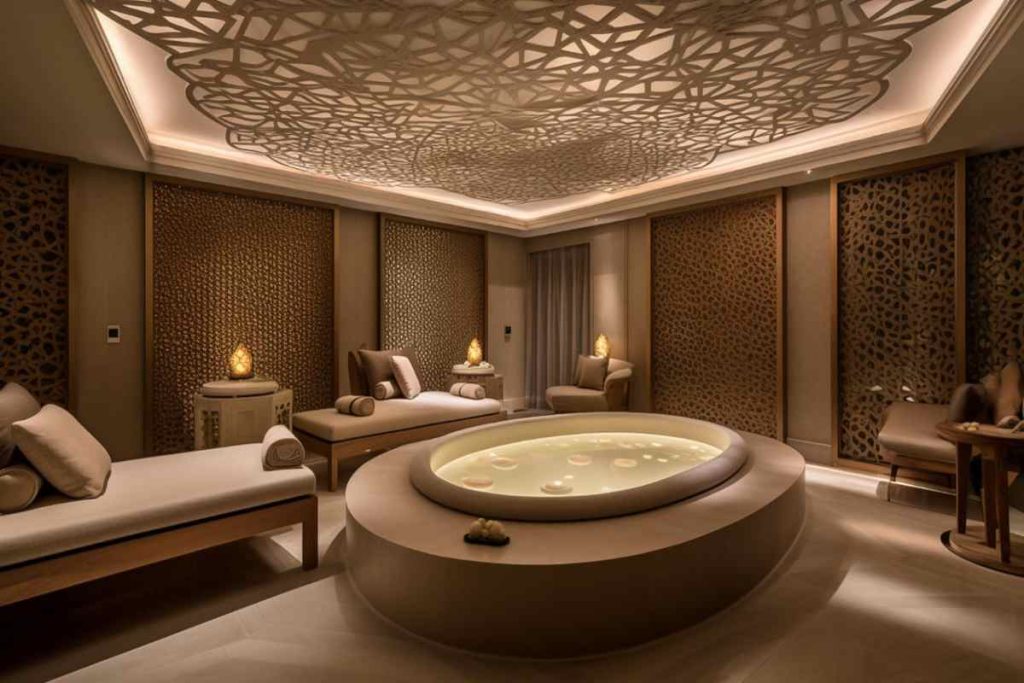
Turkish bath etiquette sets the respectful tone for a transformative hammam experience and helps first-timers feel welcome. For Turkish bath etiquette for beginners, clear expectations and mindful preparation help you transition smoothly into the steam-filled space. Hammam etiquette guides guests to balance personal comfort with tradition, hygiene, and courtesy toward other bathers. Knowing Do’s and don’ts in a Turkish bath and Turkish bath rules can prevent mistakes and keep the atmosphere calm and respectful. If you’re unsure, ask staff and learn How to behave in a hammam, so you can relax, scrub when appropriate, and leave with a deeper appreciation.
Beyond the direct label, the topic resonates through terms such as hammam manners, steam bath protocol, and spa ritual in a Turkish bathhouse. This LSI-aligned language groups concepts like cleanliness, comfort, privacy, and respectful communication to capture the broader cultural context. Describing the sequence—from pre-wash to scrub, rinse, and rest—using phrases like kese method and traditional bathhouse rituals helps search engines connect related ideas. Ultimately, approaching the hammam as part of a living heritage—Turkish bath culture, thermal baths, and wellness practices—supports richer content for readers seeking practical guidance.
Turkish bath etiquette for beginners: a gentle starter guide
Entering a Turkish bath with the mindset of Turkish bath etiquette for beginners helps set a calm tone. This cultural ritual blends scent, heat, and quiet reflection, so newcomers should start by choosing modest attire, checking venue rules, and preparing mentally for a slow, respectful pace. Hammam etiquette emphasizes cleanliness, discretion, and willingness to follow staff guidance as you move through the warm room, hot room, and cleansing steps.
For Turkish bath etiquette for beginners, asking staff about steps, attire, and available services is a smart first move. Observing how seasoned guests move through the space helps you learn by example, reduces awkward moments, and shows respect for the venue and other guests. The goal remains a serene, hygienic experience that honors tradition while accommodating modern expectations for privacy and comfort.
Hammam Etiquette Essentials: Do’s and Don’ts in a Turkish Bath
Do’s and Don’ts in a Turkish Bath form the backbone of a respectful visit. Do’s: arrive clean, hydrate, wear an appropriate wrap, speak softly, and follow attendants’ cues. Don’ts: avoid phones, loud conversations, or rushing the ritual. By honoring these norms, you help create a calm environment where everyone can enjoy the cleansing and massage steps without disruption.
This approach sits within Hammam etiquette principles. Understanding Turkish bath rules, acknowledging staff guidance, and waiting your turn at scrub or foam wash reinforces a cooperative spirit. If you’re unsure about a practice, politely ask for clarification rather than guessing, which aligns with How to behave in a hammam and keeps the experience respectful for all.
Turkish Bath Rules and Rituals: What to Expect
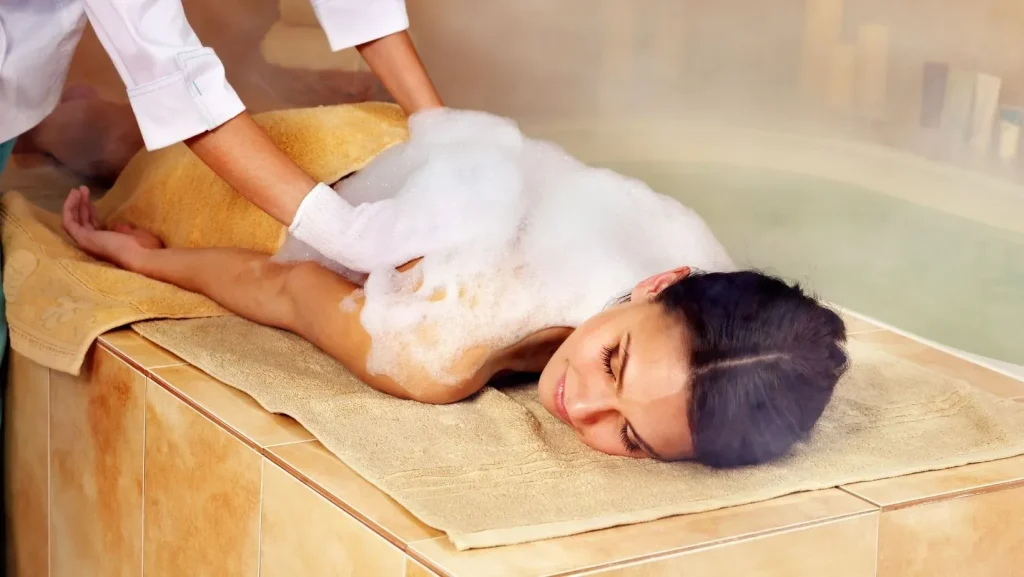
Expect a sequence that has endured for centuries: warm room (bay), hotter room (hararet), kese scrub, foam wash, rinse, and rest. These steps reflect Turkish bath rules that emphasize gradual heat exposure, cleansing, and social etiquette. Observing the rhythm helps first-timers participate without feeling overwhelmed.
Staff cues guide the flow, and guests typically follow a tone of quiet respect. If you’re curious about the meaning behind each step, ask politely and listen for cues—this is part of practicing How to behave in a hammam in real time.
How to Behave in a Hammam: Etiquette and Personal Space
In practice, follow the rhythm of the space, let attendants lead the sequence, and keep conversations low. Use right-hand etiquette, as many hamams view the right hand as cleaner for ritual contact, and mirror the behavior you observe. How to behave in a hammam is learned by watching others and listening to staff.
Respect privacy by avoiding camera use, not entering restricted areas, and securely storing belongings on designated shelves. Sharing benches and scrub stations requires patience and courtesy; always yield to guests who are waiting.
Practical Tips for Comfort, Hygiene, and Respectful Hammam Etiquette
Before arrival, prepare a modest wardrobe, hydrate, and have a towel ready. This is essential to Hammam etiquette and supports a comfortable experience. For beginners, Turkish bath etiquette for beginners serves as a quick refresher before your visit.
During the session, listen to staff guidance, adapt to the temperature and humidity, and maintain good hygiene by rinsing before entering steam areas. Regional variations exist, so check local Turkish bath rules and customize your expectations accordingly.
Frequently Asked Questions
Turkish bath etiquette for beginners: what should I know before visiting a hammam?
For Turkish bath etiquette for beginners, arrive early, bring a towel and flip-flops, and rinse before entering the main baths. Dress modestly or wrap with a towel as directed, observe privacy, speak softly, and follow staff guidance. Hydrate before and after, and respect venue rules about gender-separated hours or separate rooms.
Hammam etiquette: what are the essential do’s and don’ts for a first visit?
Key hammam etiquette includes doing research on attire and rules, bringing a towel, rinsing before the baths, and keeping voices low. Do ask staff for a scrub or foam wash and communicate comfort levels; don’t rush, splash, take photos, or wear heavy cosmetics. Follow the ritual sequence with patience and respect for others.
Do’s and don’ts in a Turkish bath: what should I remember to avoid awkward moments?
Do’s include arriving prepared, hydrating, and following the attendants’ lead. Don’ts include rushing, hogging space, using phones, or ignoring hygiene. In general, keep conversations low, observe modesty, and respect privacy in mixed or gender-segregated settings.
Turkish bath rules: how do regional variations affect etiquette in different hamams?
Turkish bath rules vary by country and venue; always review the venue guidelines before you arrive. Expect differences in gender-segregated hours or attire, and ask staff for a quick rundown if unsure. By aligning with local rules, you maintain comfort and safety for everyone.
How to behave in a hammam: practical tips for a respectful and relaxing experience?
To know how to behave in a hammam, follow the attendants through the steps, speak softly, and respect privacy. Wear modest swimwear or wrap as directed, stay hydrated, and take time to rest between heat stages. If you have sensitivities, tell staff so they can adjust the scrub intensity and temperature.
| Aspect | Key Points |
|---|---|
| What is Turkish bath etiquette and why it matters | A set of social and practical norms to preserve modesty, safety, and comfort. Core principles: cleanliness, respect, mindful behavior, and patience. Rules can vary by venue and region, but the aim is to navigate the space confidently and comfortably. |
| The core ideas | Be courteous, be prepared, and follow staff cues. If unsure, ask. The goal is a soothing, hygienic experience that honors tradition while meeting modern expectations for privacy and comfort. |
| The Do’s | Research ahead (attire, gender hours, scrub services); bring a towel and flip-flops; rinse before entering; keep conversations low-key; communicate with staff about preferences; hydrate; observe modesty (wear a swimsuit or wrap as guided by the venue). |
| The Don’ts | Don’t rush the process; don’t splash or hog space; don’t bring phones or cameras; don’t neglect hygiene; don’t pressure staff; don’t assume rules are the same—verify local etiquette. |
| What to expect during a Turkish bath session | Arrival and prep; warm room (bay); hot room (hararet); scrub and foam wash; rinse and rest; cool-down and exit. |
| How to behave in a hammam | Follow the rhythm of the space; use right-hand etiquette; speak softly and listen to cues; respect privacy; take care with belongings. |
| Tips to maximize comfort | Arrive early; communicate sensitivities; bring modest swimwear or wraps; hydrate before and after; leave time for reflection. |
| Regional variations and venues | Rules vary by country/city/venue. Some hamams maintain gender-segregated hours; others are mixed. Review venue guidelines and ask staff if unsure. |
| Safety and health tips | Consult a healthcare professional if you have cardiovascular or respiratory conditions; stay hydrated; avoid alcohol; exit if dizzy or overheated; pregnant guests should seek medical advice. |
Summary
Conclusion: Turkish bath etiquette is a living practice that blends tradition with mindful behavior to create a respectful, relaxing experience. By understanding the do’s and don’ts, the typical hammam sequence, and clear communication with staff, first-timers can enjoy a calming, cleansing, and culturally rich visit. The journey through warm rooms, cleansing rituals, and quiet rest fosters relaxation and a deeper appreciation for this centuries-old tradition. With these guidelines, you’ll navigate the hammam with confidence, respect, and a renewed sense of how to behave in a hammam that welcomes guests from around the world. In summary, Turkish bath etiquette represents practical preparation, considerate conduct, and a willingness to immerse oneself in a ritual that has soothed and refreshed people for generations.